
Cherokee County Civil Docket Searches
The North Carolina eCourts Portal is the official home of the public Register of Actions, labeled as a Case Summary. Smart Search takes a party name in last, first order. It also accepts an Enterprise Justice case number. After the basic search, select Cherokee and pick the fitting category, whether Civil Actions, Civil General, Civil Magistrate, Summary Ejectment, Special Proceedings, or Estates. Advanced filters only narrow a basic search. They cannot run alone.
The Portal is not the only channel. Cherokee's Local Administrative Schedules page posts civil calendars, and Portal Search Hearings pulls a case-specific date. Anything deeper goes through the Clerk of Superior Court. That covers a full file, a public terminal, a document, a certification, or an older record. The Clerk sits at the Cherokee County Courthouse. Call (828) 835-7740 if a result is unclear or you need a copy. The county publishes no civil-copy request form, no mail checklist, and no turnaround promise, so get mailing instructions from the Clerk before sending a document request. NCAOC public-record procedures serve as a backup for administrative records or disputes, not the normal route to a Cherokee case file.
- Enter a case number or party name in Smart Search.
- Choose Cherokee location and the appropriate current civil case group.
- Open the case number to read the Register of Actions in time order.
- Check the Hearings section and Search Hearings for a current setting.
- Ask the Clerk for the filed document or an official copy behind a docket entry.
Cherokee County Civil Docket Court Divide
Assignment matters. The trial divisions in Cherokee County carry different statutory roles. Superior Court is the proper division for an ordinary civil action over $25,000. District Court handles an ordinary civil action at $25,000 or less. That default holds unless a specific rule directs otherwise. Both divisions share the unified Cherokee Clerk. The Portal path is the same. The calendar, the procedure, and the later appeal route can differ.
| Cherokee civil path | Usual docket context | Public record route |
|---|---|---|
| Superior Court | Ordinary civil actions over $25,000 and other matters assigned to that division. | Portal Case Summary, civil calendar, and the Cherokee Clerk. |
| District Court | Ordinary civil actions through $25,000 and several other assigned categories. | Portal, Search Hearings, calendar links, and the same Clerk. |
| Magistrate | Qualifying small claims, property recovery, and summary ejectment matters. | Clerk-held unified file and Portal where public; appeal can proceed to District Court. |
G.S. 7A-243 is the official statutory source for the ordinary civil division line.
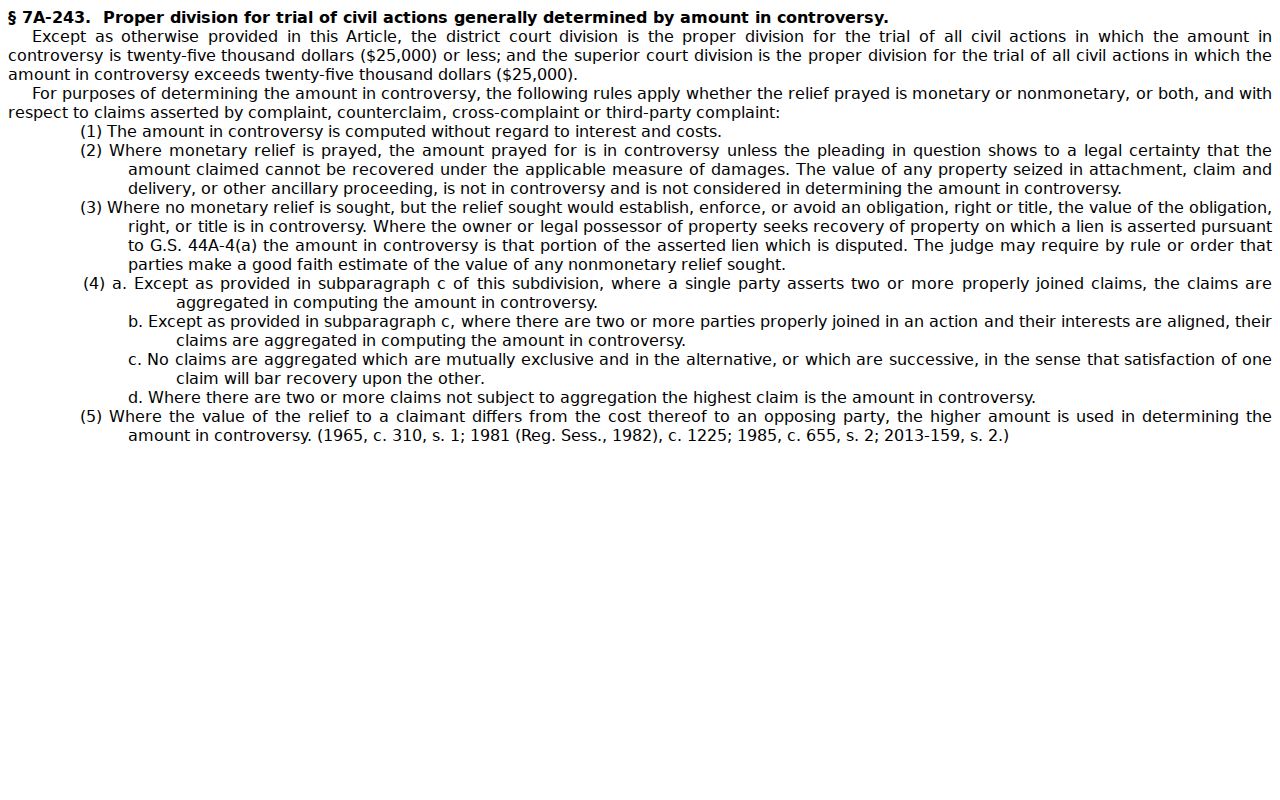
The statute draws the framework. The assignment and current calendar on the docket tell you where a particular Cherokee civil case is actually proceeding.
Civil Dockets: What They Show
A Cherokee civil Case Summary can carry many sections. They include Case Information, Assignment Information, Party Information, Case Events, Dispositions, Hearings, and Financial Information where data exists. Civil, family, probate, and mental-health categories may add a Causes of Action section. The Portal does not promise a complete picture. Every civil event may lack a complaint image, service return, motion attachment, judgment image, or a uniform abbreviation. Treat the public register as an index and timeline, not a complete digital file cabinet.
| Case number | A four-part Enterprise Justice identifier. The Cherokee county suffix should be copied from the record rather than guessed. |
|---|---|
| Assignment Information | Shows the relevant division or court-assignment context where populated. |
| Causes of Action | A category-specific section for civil, family, probate, and mental-health matters. |
| Case Events | The chronological timeline for filings, service-related events, motions, hearings, and later activity. |
| Dispositions | The displayed outcome area, which should be read before attaching meaning to a broad status label. |
| Documents | Public images are not promised for every event; sensitive, sealed, and confidential documents are excluded. |
When an event description leaves the record question open, note the case number and ask the Cherokee Clerk for the filed public document. Confirm any current balance through the Clerk too. A Portal display alone should not settle it.
Cherokee County Civil Portal Groups
The Portal's current case-group examples help Cherokee readers avoid mixing court paths. Civil General is a sensible starting group for a major civil action. Civil Magistrate and Summary Ejectment point to magistrate-level civil work. Civil Foreclosure, domestic categories, nonconfidential Special Proceedings, and Estates can carry their own records and schedules. The Clerk remains the shared local custodian. A category change does not move you to a separate county clerk office.
Search results can sprawl. The official guide caps results at 200. It recommends narrowing by location, case type, case status, or filing date. A missing Portal result has several possible causes. It can mean a formatting error, a restricted record, or no matching public case. It is not proof that a case file does not exist at the Clerk. Anonymous users may search ordinary public Portal content. Optional registration for saved cases does not unlock restricted records.
What Cases Fill the Civil Docket
Cherokee's unified civil records cover a wide range. That range includes ordinary civil actions, qualifying small claims, summary ejectment, estates, probate, guardianship-related matters, nonconfidential special proceedings, and foreclosures, subject to the case category and access rules. The Clerk also serves as ex officio judge of probate. That is why an estate or special proceeding appears within the same county Clerk and Portal framework. It may not follow the calendar or case-management route of a civil lawsuit.
Small claims carry a distinct magistrate role. A qualifying claim of $10,000 or less may go to a magistrate. The relief must fit the statute. A magistrate decision can be appealed to District Court for trial de novo. That means a new trial. Read the assignment and events on the docket search. Not every lower-value civil case rides an ordinary Superior Court civil docket.
The Judicial Branch small-claims information lays out the magistrate path and the eligible case context.
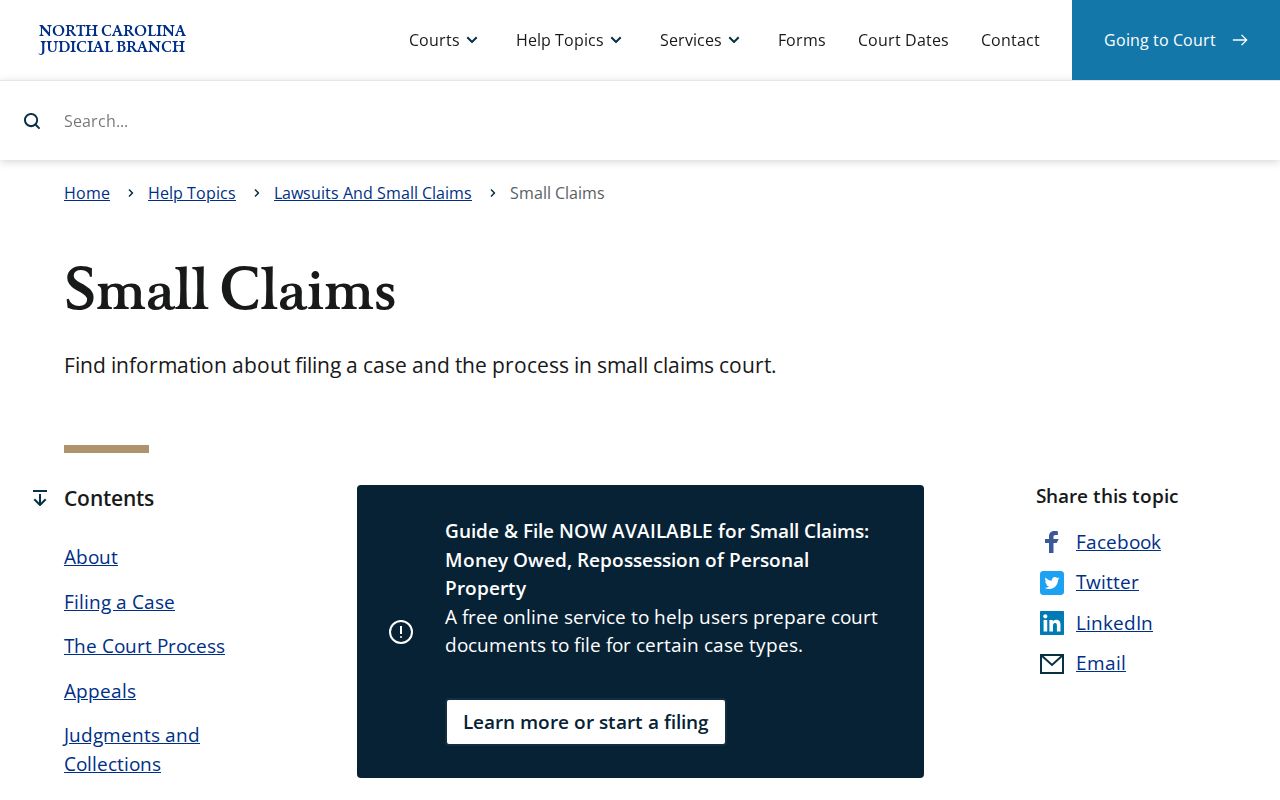
The state page backs the magistrate distinction without positing a separate Cherokee small-claims clerk or portal.
Cherokee County Magistrate Civil Dockets
Small claims in Cherokee County top out at $10,000. That ceiling decides where a case lands. Magistrates sit as District Court officers. Even so, their small-claims files live in the unified Cherokee Clerk record system, not off on their own. To pin down a magistrate case, work from the case category, any Portal record, and confirmation from the Clerk. Cherokee offers no separate online magistrate calendar. Treat those three pieces as the path to the right date and file.
For the ground rules, G.S. 7A-210 spells out what counts as a small claim and which categories of relief a magistrate may award.
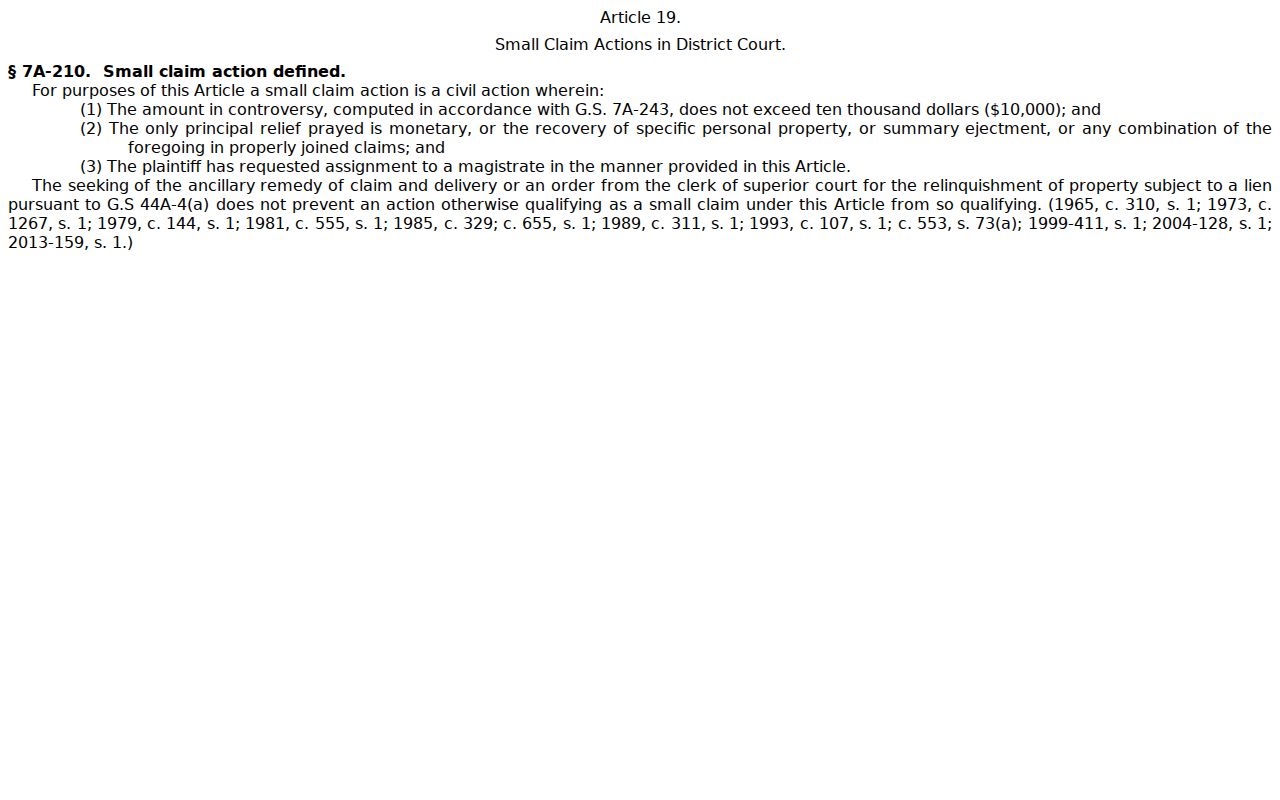
That statutory limit only points you toward the likely court. The Register of Actions tells you the real assignment, and it tracks any later appeal activity too. Check both before assuming where the case sits.
Hearings on the Civil Docket
Cherokee's Local Administrative Schedules page links a live Civil Calendars host. The Local Rules page posts an Amended Case Management Plan for Superior Court Civil Cases along with local court-ordered-arbitration material. Good planning tools, all of them. None replaces confirmation on your specific case. And nothing about the calendar host should be assumed, whether that means a Cherokee-specific filter, a remote-access rule, or a courtroom detail.
For a current hearing date, open Portal Search Hearings with Cherokee selected. Add a hearing type and a search type. Then add the matching search value inside a short date range. Compare what comes back against the Case Summary's Hearings and Case Events sections. A continuance just means postponed. A newer hearing, an order, or word from the Clerk always beats an older calendar row. The full date-by-date workflow sits in the Cherokee court schedule.
Cherokee County Civil Records and Copies
Portal serves up the public Case Summary. File & Serve is the electronic filing channel for attorneys and parties. It is not a docket-reading tool for the public. When you need the actual complaint, order, judgment, or a certified record, the Clerk is the office that holds it. The statewide fee chart currently lists $2.00 to prepare the first page of each document. It adds $0.25 for each additional page or fraction, plus a $3 certificate under seal and a $10 exemplification. Ask the Clerk to total your specific request before you pay.
The official court-costs page carries the statewide fee information behind every copy and certification question.
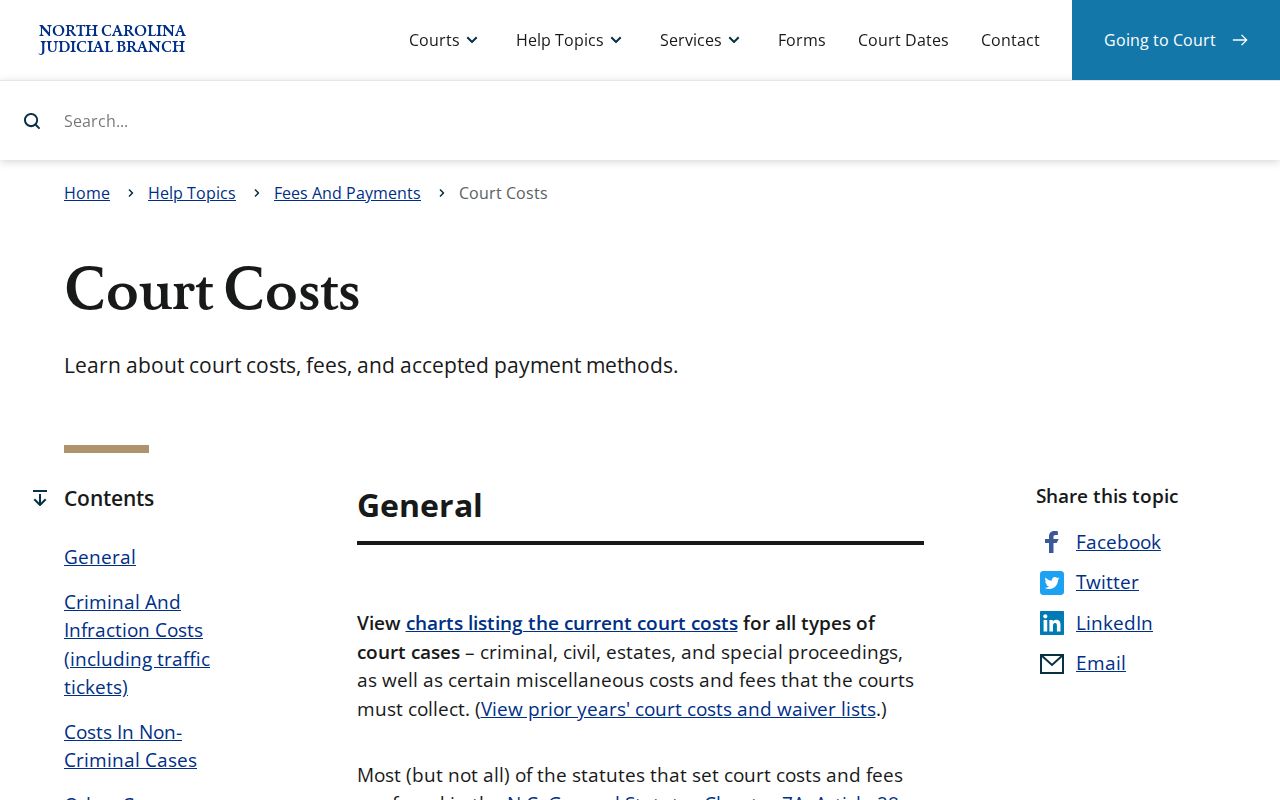
Those statewide figures don't add up to a Cherokee online-copy form, a deadline, or one all-in certification price. Confirm the particulars with the Clerk. The Judicial Branch court-officials page explains how the Clerk and magistrate roles fit within the unified trial-court system.
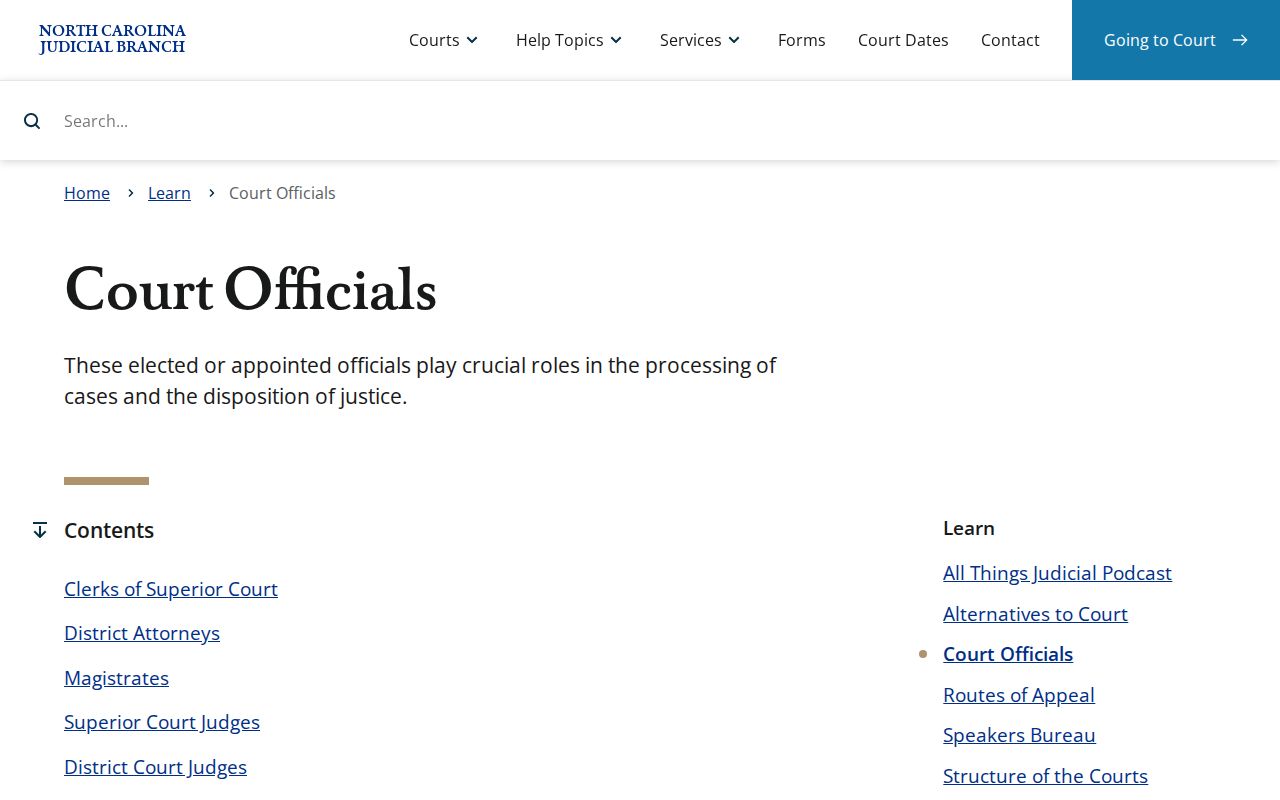
Knowing which officer holds the record keeps a civil document request from going to the wrong desk. It also keeps you from mistaking the public Portal summary for the official file. Both errors cost time.
Who Can See Civil Dockets
Access to public civil dockets follows a simple boundary. The Clerk maintains files, dockets, and indexes for public inspection unless a law bars access. Portal, meanwhile, shows only public Case Summary material. Sensitive, sealed, and confidential documents stay out of the public view. A record can also be partly redacted rather than withheld outright. So when a document, official copy, or detail is missing from Portal, request the public portion from the Cherokee Clerk. An online no-match settles nothing.
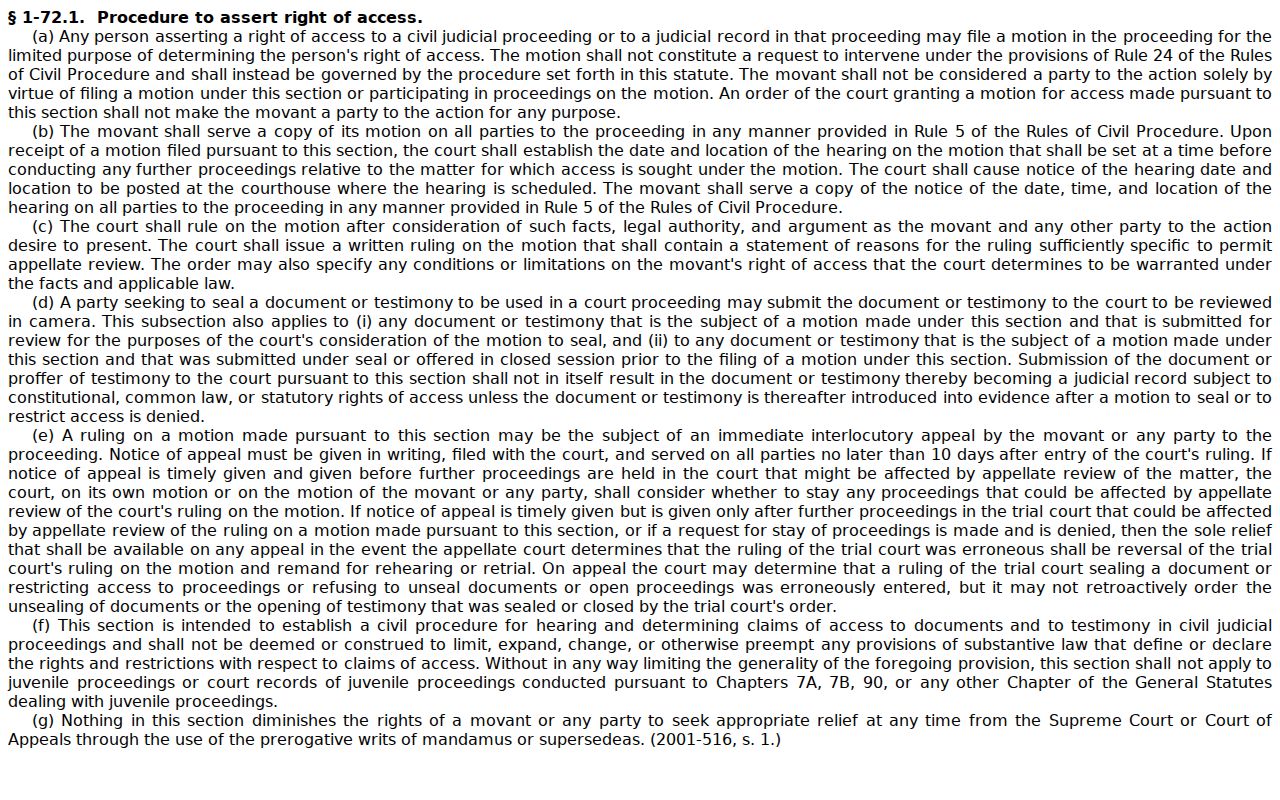
Civil access rule. G.S. 7A-109 covers Clerk-maintained docket and index access. G.S. 1-72.1 supplies the procedure for a civil request to seal a document or restrict testimony and requires a written, reviewable ruling.
The official civil-sealing statute explains why a sealed document won't surface in an ordinary Portal result.
Involved in your own restricted proceeding? Use the access method the court ordered. Anyone requesting from outside the case should ask the Clerk only for the public portion of the court file.
Cherokee County Civil Docket Data
The Judicial Branch Case Statistics Dashboard launched December 2, 2025. It is a tool for aggregate public data, not for pulling up one civil docket. Its county and district filters display filings, dispositions, pending cases, and case aging. Civil categories are included. That makes it handy for reading broad court activity. For an available Cherokee case timeline, the Portal Register of Actions is still the route.
The Judicial Branch publishes no Cherokee-only civil filing or disposition figure. So if you need a numerical comparison, pull a date-stamped Cherokee dashboard view. Never treat an aggregate count as proof about a particular civil case or hearing.